The Ultimate Guide to Choosing Your Perfect Running Shoes
Finding the right pair of running shoes is the single most important investment you can make for your comfort and performance. With countless options available, knowing what factors to consider ensures you conquer miles, not suffer from them.
Why The Right Running Shoes Matter Ill-fitting or inappropriate running shoes are a fast track to discomfort, blisters, shin splints, or more serious injuries. Proper running shoes provide essential support, cushioning, and stability, absorbing impact and guiding your foot's natural motion. They enhance your running economy and make every stride feel more efficient.
Key Factors in Finding Your Ideal Pair
- Know Your Gait & Foot Type: Understand your pronation (how your foot rolls inward upon landing). Visit a specialty running store for a gait analysis – often free! Staff can observe your stride and recommend shoes offering the right level of stability (for overpronation), neutral cushioning, or motion correction.
- Identify Your Running Terrain:
- Road Running Shoes: Designed for pavement, offering cushioning and responsiveness. Focus on flexibility and impact absorption.
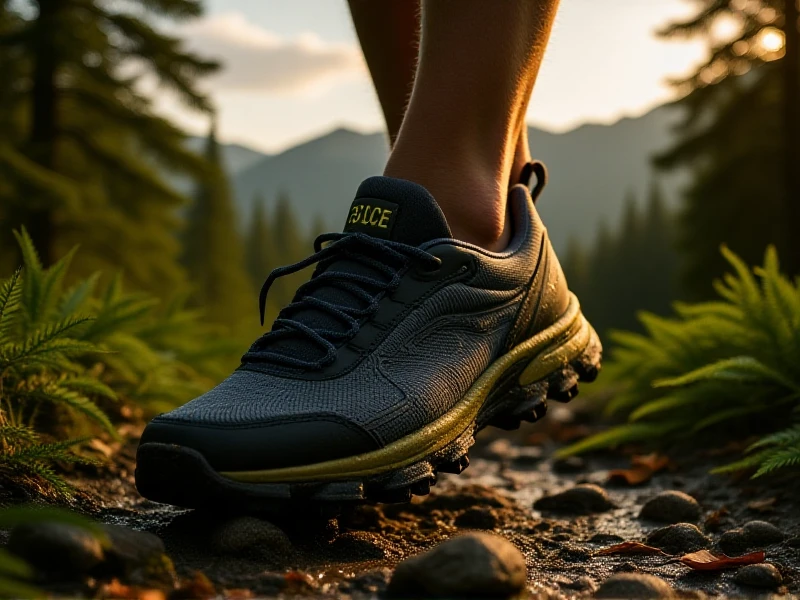
- Trail Running Shoes: Built for off-road adventures. Look for aggressive tread (lugs), enhanced protection from rocks/roots, durability, and often increased stability. Water resistance is common.
- Racing/Race-Day Shoes: Prioritize lightweight construction and energy return (often using plates) for speed. They typically have less cushioning and durability than training shoes.
- Cross-Training/Everyday Running Shoes: Versatile for gym work, errands, and short runs, offering a balance of cushioning and support.
- Understand Cushioning Levels: Cushioning absorbs shock. Preferences vary: maximalist shoes offer thick cushioning (great for high-impact or long distances), minimalist provide a natural "ground feel," and moderate cushioning suits most runners. Consider your distances and personal comfort.
- Focus on Fit (Crucially Important!):
- Size Up: Your feet swell during running. Aim for roughly a thumbnail's width (about half an inch) between your longest toe and the shoe's end.
- Width: Ensure no pinching on the sides. Brands offer wide and narrow options.
- Heel Lock: Your heel should fit snugly without slippage.
- Arch Support: The shoe's arch should comfortably align with your own.
- Try LATE in the Day: When feet are largest.
- Wear Running Socks: Bring the socks you run in to try shoes on.
The Lifespan of Running Shoes Even the best shoes wear out. A general guideline is 300-500 miles. Pay attention to your body – increased aches or worn-out soles are clear signals it's time for a new pair. Rotating two pairs can extend the life of each.
Choosing the perfect running shoes requires attention to your unique needs. Prioritize fit above all else, consider your primary running terrain and gait, and replace them regularly. Investing in the right pair leads to more enjoyable running, better performance, and a much happier body mile after mile. Visit your local running store for expert guidance – the perfect pair is out there waiting. Test, run, and feel the difference.