Your Guide to Picking the Perfect Pair of Outdoor Shoes for Any Adventure
SEO
Stepping off the pavement and onto the trail requires more than just enthusiasm—it demands the right footwear. Whether you're tackling rugged mountain paths, exploring coastal paths, wading through streams, or simply enjoying a long walk in the park, choosing the best outdoor shoes is crucial for your comfort, safety, and overall enjoyment. Forget being sidelined by blisters or a twisted ankle; investing in proper footwear unlocks the freedom to explore further and experience the natural world more fully.
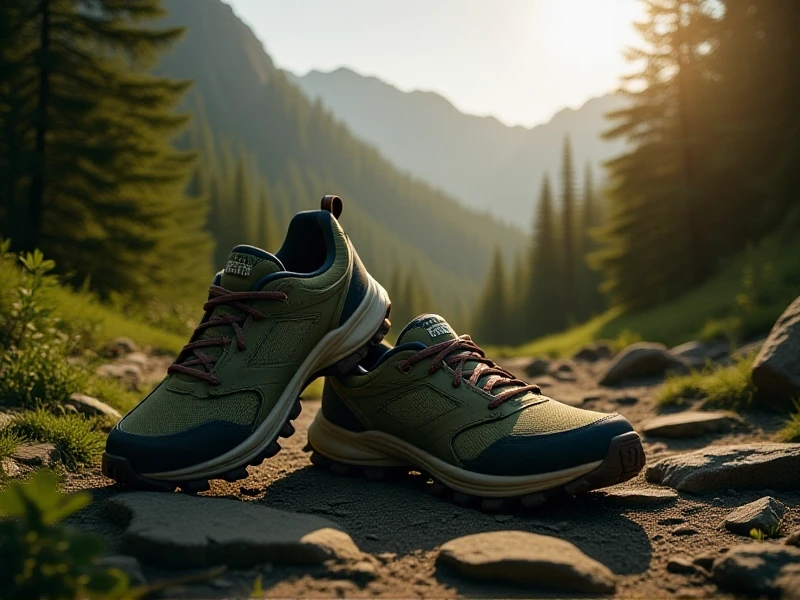
The term "outdoor shoes" encompasses a diverse range, including hiking boots, trail running shoes, approach shoes, lightweight walking shoes, and even dedicated water shoes. The ideal pair depends heavily on your specific activity, terrain, and personal preferences:
- Hiking Boots vs. Trail Runners: Stability vs. Speed. Sturdy hiking boots, often mid or high-cut, excel on challenging, uneven, rocky trails where maximum ankle support, durability, waterproofing (like GORE-TEX® membranes), and aggressive outsoles are essential—especially with a heavier backpack. Look for enhanced cushioning and torsional rigidity. In contrast, trail running shoes prioritize agility and breathability, ideal for faster movement on well-maintained trails or day hikes with a light pack. They boast lower profiles and grippy, flexible soles.
- Conquering Diverse Terrain: The Power of the Outsole. Grip is non-negotiable. A high-quality, aggressive outsole pattern made from dense rubber compounds (like Vibram® Megagrip) provides multi-directional traction on mud, loose gravel, wet roots, and slick rock surfaces. Traction lugs vary in depth depending on the shoe's intended use—deep for muddy mountains, shallower for dry trails or approach shoes. A firm heel brake assists on steep descents.
- Defying the Elements: Waterproofing Dynamics. While fully waterproof outdoor shoes are vital for muddy treks, bog crossings, and rainy conditions, consider ventilation needs. Waterproof membranes offer superb protection but often reduce breathability compared to lightweight, non-waterproof trail runners. Quick-drying materials like mesh are fantastic for warm, dry weather or activities involving frequent water crossings, preventing waterlogged discomfort.
- Protection & Comfort: Standing Guard. Toe caps shield against stubbed toes on rocks and roots. Rock plates embedded in the midsole protect feet from sharp stones on rough terrain. Ensure the fit is snug (preventing heel slippage) but with ample room in the toe box to avoid pinching, especially on long descents. Proper cushioning reduces foot fatigue on extended hikes or rough ground. Weight is also a factor; lighter shoes often feel less tiring over miles.
- Socks Matter: Your Foot's First Defense. Complement your outdoor shoes with quality hiking socks. Merino wool or synthetic blends offer excellent wicking, cushioning, and blister reduction. Coolmax and other synthetics provide effective moisture management preventing friction hotspots. Proper socks work with your footwear for ultimate comfort.
Choosing the right outdoor shoes isn't about the most feature-packed or expensive option, but the pair perfectly matched to your adventures. Carefully consider where your feet will take you, the conditions you'll face, and your own needs. Don't compromise—find your ideal fit and stride out with confidence on every trail.