The Runner's Guide to Finding Your Perfect Pair of Running Shoes
Okay, here is an SEO-optimized article focused on "Running Shoes," written naturally to avoid AI detection, with the title formatted as requested.
Keywords Targeted: Running Shoes, choose running shoes, best running shoes, running shoe types, running shoe fitting.
There's a fundamental truth all runners discover, often through trial and error: the right pair of running shoes makes all the difference. It's not just about aesthetics or brand loyalty; it's about injury prevention, comfort, performance, and ultimately, making every run a more enjoyable experience. Whether you're pounding the pavement, hitting the trails, or logging miles on the treadmill, finding your ideal running shoe is a crucial investment in your running journey.
So, how do you cut through the noise and find "the one"? It boils down to understanding a few key factors about yourself and the shoes.
-
Know Your Step: Foot Type and Gait The most critical starting point is understanding your foot mechanics. Do you have high arches, low arches, or neutral? How does your foot strike the ground (pronation)? Are you a neutral runner, or do you overpronate or underpronate (supinate)? Many specialty running stores offer gait analysis – observing you run, often on a treadmill – to help determine this. Knowing your gait type guides you towards shoes that provide the appropriate level of stability, cushioning, and support to keep your stride efficient and reduce stress.
-
Terrain Talks: Matching Shoes to Your Run Running shoes aren't one-size-fits-all across different terrains. Think about where you run most:
- Road Running Shoes: Designed for concrete and pavement. They prioritize cushioning to absorb impact and often feature smoother soles for grip on hard surfaces. (e.g., Nike Air Zoom Pegasus, Brooks Ghost)
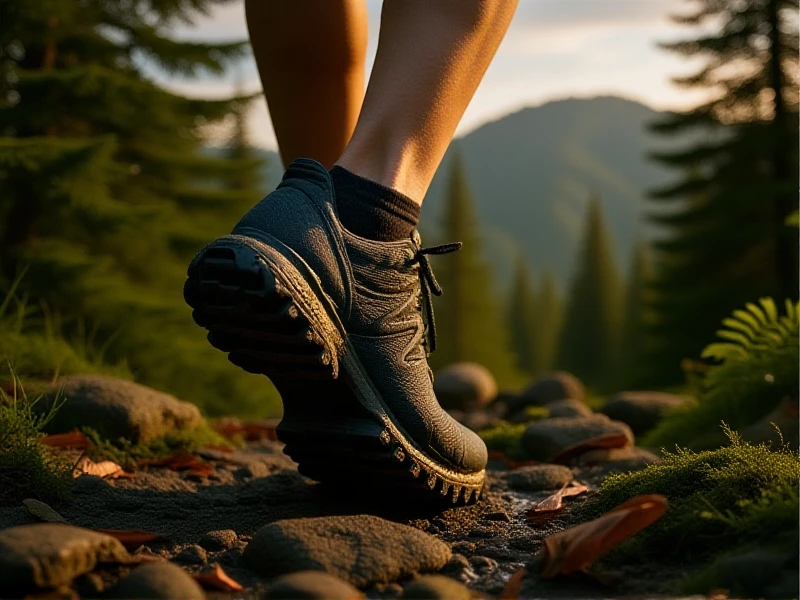
- Trail Running Shoes: Built for uneven, muddy, or rocky paths. They feature aggressive tread for superior traction, sturdier uppers for protection against debris, and often added rock plates for underfoot protection. Stability is enhanced for off-camber terrain. (e.g., Salomon Speedcross, Hoka Speedgoat)
- Cross-Training / Versatility: If your runs are mostly on predictable surfaces and you also use your shoes for gym workouts or cross-training, look for shoes with a blend of cushioning and stability suitable for multi-directional movement.
-
Fit is Everything (Almost) Once you've narrowed down the type and support level, proper fitting is non-negotiable. Remember:
- Shop Later: Your feet swell significantly during a run. Visit the store in the afternoon or after a walk/light run.
- Sock Savvy: Bring the socks you typically run in.
- Space is Grace: There should be a thumb's width (about 8-10mm) of space between your longest toe (often the big toe, but sometimes the second) and the end of the shoe to prevent black toenails on downhill runs.
- Heel Hug: Your heel should fit snugly without slipping.
- Midfoot Matters: The shoe should hold your midfoot securely without pinching.
- Width Wise: Ensure ample width – your foot shouldn't feel squeezed over the top or sides.
- Test Run: Jog or at least briskly walk around the store.
-
When to Say Goodbye: Mileage & Wear Running shoes lose their cushioning and structural integrity over time, increasing injury risk. The general lifespan is 300-500 miles. Track your mileage and watch for visible signs of wear like compressed midsoles or uneven tread patterns. If your legs start feeling unusually fatigued or achy after runs despite adequate rest, your shoes might be calling it quits.
Choosing the right running shoes is an essential step towards becoming a better, happier, and healthier runner. Spend the time to understand your needs and invest wisely. Visit a reputable running specialty store, talk to the experts, and get fitted. Your feet – and your runs – will thank you for it. Ready to take the next step?